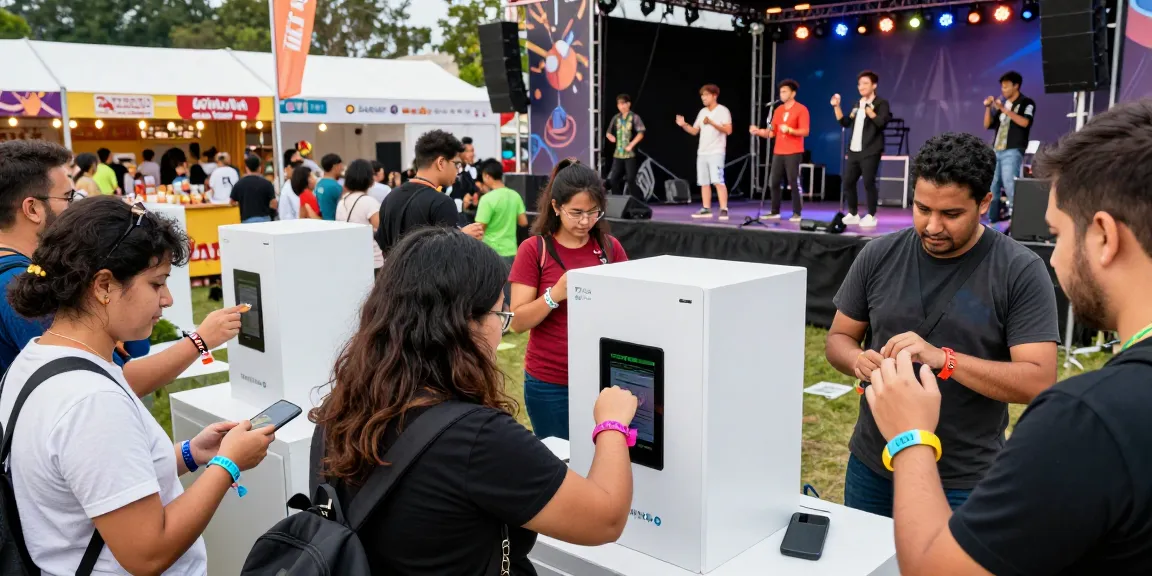
Understanding NFC Technology for Event Management
As the events industry continues to evolve, the integration of technology has become critical to enhancing attendee experiences and streamlining operations. Among these advancements, pulseras digitales para eventos (digital wristbands) are revolutionizing how organizers manage access control, payments, and overall event logistics. These wristbands are not just trendy accessories; they embody the future of event management through their seamless integration with Near Field Communication (NFC) technology.
What are Pulseras Digitales para Eventos?
Pulseras digitales para eventos refer to electronic wristbands equipped with NFC technology. These wristbands are primarily designed for use in various settings, including concerts, festivals, and corporate events. By utilizing NFC, these wristbands facilitate quick interaction between the wristband and compatible reading devices, thus streamlining processes such as entry management and cashless transactions.
The Technology Behind NFC Wristbands
NFC, or Near Field Communication, is a set of communication protocols that allow two electronic devices to communicate when they are brought within a short distance of each other, usually a few centimeters. NFC technology is embedded in digital wristbands, enabling features such as:
- Fast data transmission: Information can be exchanged in less than a second.
- Secure communication: Data is encrypted for enhanced security.
- Versatile applications: Used for payments, access control, and attendance tracking.
Advantages of Using Digital Wristbands for Events
Digital wristbands offer a myriad of benefits for event attendees and organizers alike. Key advantages include:
- Improved efficiency: Attendees can enter events quickly without long queues.
- Enhanced experience: Cashless transactions reduce the hassle of handling cash.
- Accurate tracking: Real-time data on attendance and engagement can be collected.
Streamlining Access Control and Guest Management with NFC
Managing large crowds at events can be a logistical nightmare without the right tools. Traditional methods of access control often lead to bottlenecks and inefficiencies. However, pulseras digitales transform the entry process by providing a smart solution for access management.
How Pulseras Digitales Improve Entry Processes
Implementing digital wristbands for entry control allows for:
- Rapid entry: Systems can process thousands of wristbands per hour without delays.
- Reduced manpower: Fewer staff are needed for entrance verification.
- User-friendly experience: Attendees simply tap their wristbands to gain access.
Real-time Attendance Tracking Capabilities
With digital wristbands, organizers can monitor attendance in real-time. This feature allows for:
- Immediate feedback on crowd density at different event zones.
- The ability to make informed decisions regarding crowd management.
- Increased safety measures through instant alerts for emergencies.
Case Studies: Successful Implementations of Access Control Systems
Several events have successfully integrated digital wristbands into their access control systems. For instance, the SoundWave Festival managed to process 40,000 attendees without any delays or long queues, demonstrating the effectiveness of this technology. Similarly, TechCon Global reports significant time savings in vendor report generation, allowing for data exports within seconds of closing the event.
Enhancing Attendee Experience Through Cashless Payments
One of the most significant trends in the events industry is the shift towards cashless transactions. Digital wristbands facilitate this transition effortlessly, enhancing the overall attendee experience.
The Benefits of Cashless Transactions with NFC Wristbands
Switching to cashless payments through digital wristbands offers numerous benefits:
- Convenience: Attendees can make purchases quickly without the need for physical currency.
- Increased spending: Cashless systems tend to promote higher spending at food and beverage stands.
- Clear transaction records: Organizers gain detailed insights into sales patterns and revenue streams.
How to Implement Cashless Systems at Your Event
Implementing a cashless system with digital wristbands requires careful planning:
- Choose a reliable NFC technology provider that can cater to your specific event size and needs.
- Promote the benefits of cashless transactions to attendees to ensure acceptance.
- Provide clear instructions on how to use the wristbands for payments, enhancing user comfort and satisfaction.
Measuring Financial Impact: Increased Revenue for Vendors
By adopting cashless systems, vendors have reported an increase in revenue of up to 30%. This increase is attributed to the ease of use of digital wristbands for payments, encouraging attendees to spend more freely without the limitations of cash.
Improving Security and Data Management at Events
In addition to enhancing efficiency and convenience, digital wristbands bolster security and data management at events.
Real-time Data Monitoring and Analytics for Organizers
With a centralized cloud-based panel, event organizers can:
- Monitor real-time data on attendance and guest movements.
- Analyze patterns to improve event planning and management.
- Adjust strategies on-the-fly based on attendee behavior and density.
Ensuring Privacy and Data Protection with NFC Technology
Data privacy is a significant concern in today’s digital world. NFC technology used in digital wristbands ensures:
- Encrypted communication to protect sensitive information.
- Compliance with data protection regulations.
- Options for attendees to manage their data preferences.
Best Practices for Secure Event Management
To optimize security when using pulseras digitales, event organizers should:
- Conduct regular audits of their security protocols.
- Ensure robust training for staff on data handling and privacy issues.
- Use updated technology to prevent unauthorized access.
Future Trends in Event Technology: What to Expect in 2026
Looking ahead, the events landscape will continue to evolve with technology. The future of NFC wristbands promises exciting advancements.
Innovative Features of Next-Generation NFC Wristbands
Next-gen digital wristbands are expected to feature:
- Integration with augmented and virtual reality experiences.
- Advanced health monitoring capabilities for attendee well-being.
- Enhanced customization options for branding purposes.
The Role of Data in Shaping Future Events
Data analytics will play a crucial role in shaping events, providing insights into:
- Attendee interests and preferences.
- Optimal event duration and scheduling based on historical data.
- Responsive adjustments in real-time to elevate attendee engagement.
Preparing Your Event for Technological Advancements
To stay ahead, organizers should consistently evaluate emerging technologies and be willing to adapt. Key strategies include:
- Investing in training for staff on new technologies.
- Fostering partnerships with tech providers to ensure seamless integrations.
- Staying informed about industry trends and innovations.
What are the benefits of using pulseras digitales para eventos?
The benefits include streamlined access control, cashless payments, real-time data tracking, and improved attendee experiences, reflecting a modern approach to event management.
How do NFC wristbands enhance guest experiences?
NFC wristbands enhance guest experiences by simplifying entry processes, enabling cashless transactions, and providing personalized interactions based on real-time data.
What challenges may arise when implementing cashless systems?
Challenges include ensuring attendee acceptance, managing technical glitches, and maintaining data security, which organizers must address proactively.
How can data analytics improve event planning?
Data analytics can identify trends in attendee behavior, optimizing marketing strategies, enhancing layout designs, and refining service offerings based on preferences.
What are the future possibilities for NFC technology in events?
The future of NFC technology in events holds potential for advanced personalization, immersive experiences through AR/VR, and even integration with health monitoring solutions to enhance safety.